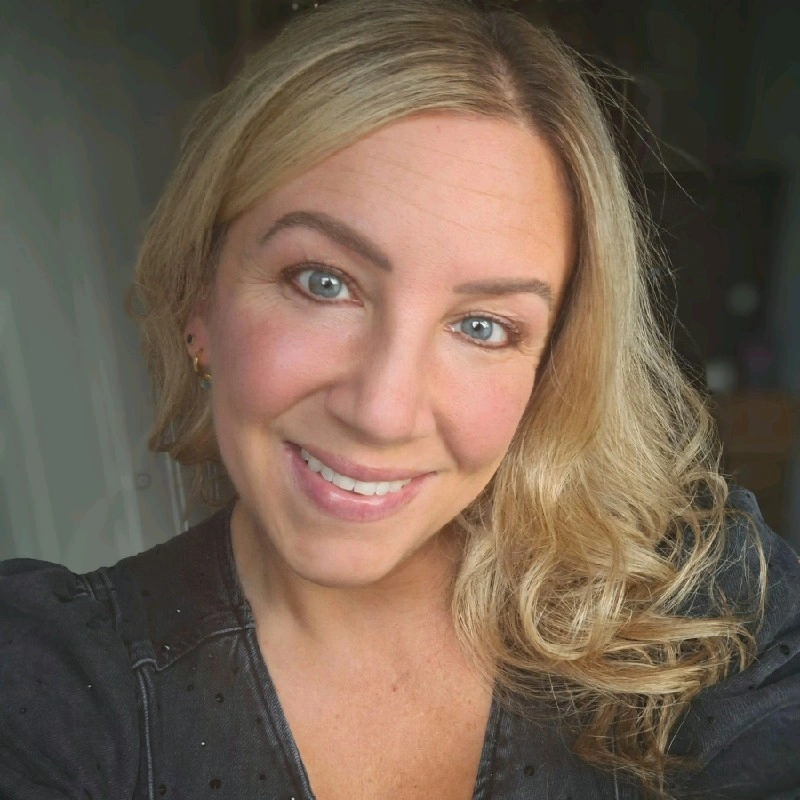
Nikki Sullivan
Deputy Headteacher, Beckfoot School
For me, the Yorks100 programme did more than galvanise my desire to become a headteacher—it has made me a stronger, more strategic leader in my current role. A few months on, I think more consciously about the role of a school beyond its gates, and beyond each five- or seven-year cohort that passes through it.
I have always considered context, but I often did so through numbers and percentages. Yorks100 helped me look beyond the statistics—to think about place, to recognise schools as civic institutions, and to consider the lives of children and families before they join our school community and long after they leave it. This has changed the questions I ask and widened the lens through which I make decisions.
Alongside this shift in thinking, there was a sharpening of thinking. For example, as a school, we must not simply consider whether students ‘feel safe’, but dig deeper to understand where they feel most safe. In addition, as leaders, we must draw upon both collaboration and codification so that colleagues not only know ‘how we do it here’, but also feel they have a voice in shaping those decisions.
The structure of the programme equipped each of us with domain-specific understanding of key aspects of school leadership. This helped shore up the foundations of knowledge required to make evidence-informed decisions as leaders. If schools are to truly serve the children, families and communities in which they sit, ensuring that decisions are evidence-informed can help accelerate a school’s improvement journey. However, context remains key—it helps us refine the knowledge we have gained into implementation plans that are right for the communities we serve. Alongside the in-person sessions and online webinars, the opportunity to visit so many successful schools across such a wide range of contexts helped me to see the commonalities of strong practice, while distinguishing these from the contextual decisions that shaped how those core components were implemented to have impact in different places.
That distinction has also changed how I think about headship. I had expected the schools we visited to look more alike, all drawing upon a strong evidence base. Instead, I saw both clear commonality and striking individuality. The headteachers we met had shaped their schools around the needs of their communities, but also around a deeply held view of what a great school could be. That helped me recognise both the privilege and responsibility of leadership. A headteacher must have the vision to unite a school and drive it forward, and that vision will inevitably reflect who they are. At the same time, strong leadership requires the discipline not to let personal preference overpower evidence, context or the needs of the community.
A few months on, the Yorks100 has therefore left me not only more knowledgeable, but more deliberate. I have a clearer sense of the leader I want to be, a stronger framework for making decisions, and a broader understanding of the civic role schools can play. Most importantly, it has reminded me why I wanted, and still want, to be a headteacher, and inspired me to pursue that ambition with renewed conviction: to shape a school alongside others, drawing on evidence, responding to place, and building something worthy of the children, families and community we are privileged to serve.